How do you price a home in Papillion when there are few comparable sales?
When recent sales do not provide a clear answer, pricing a home in Papillion, NE requires looking beyond one or two properties. The home's condition, location, size, features, current competition, and buyer activity all matter. The Pierce Group can help sellers evaluate the available evidence and develop a pricing strategy based on the property's specific circumstances.
Choosing a price can feel difficult when nearby homes are not truly comparable. One property may have a finished basement, another may have a newer roof, and a third may be in a different subdivision or school attendance area. Even homes with similar square footage can attract different offers because of their layouts, updates, lot sizes, and overall condition.
The goal is not to find a perfect match when none exists. It is to build the most reasonable estimate possible using reliable information.
Why Comparable Sales Can Be Hard to Find
Real estate professionals often use comparable sales, commonly called comps, to estimate a home's likely market value. These are recently sold properties with characteristics similar to the home being priced.
But in Papillion, the available comparisons may be limited for several reasons.
Different homes within the same area
Two homes in the same neighborhood can differ significantly. One may be a ranch-style property with a finished lower level, while another is a two-story home with more above-ground living space. A simple price-per-square-foot calculation may not account for these differences.
Limited recent sales
If few similar properties have sold recently, the available sales may be older or located outside the immediate neighborhood. Older sales can still offer context, but market conditions may have changed since those transactions closed.
New construction and resale competition
Papillion and the surrounding Sarpy County area include a mix of established neighborhoods and newer development. A resale property may compete with new construction that offers different floor plans, finishes, warranties, or builder incentives.
A seller should consider what buyers can choose today, not just what similar homes sold for months ago.
Unique features
A larger lot, extensive renovations, an unusual floor plan, or a significant outbuilding may make a home harder to compare. These features can matter to individual buyers, but their cost does not necessarily translate dollar for dollar into resale value.
What Should You Review Before Setting a Price?
A pricing recommendation should consider several types of evidence rather than relying on one number.
Recent closed sales
Start with recently sold properties that are as similar as possible in location, property type, size, age, condition, and features.
When a close match is unavailable, the search may need to expand carefully to nearby areas or older sales. The important part is to explain why each comparison is relevant and where its limitations lie.
Active listings
Active listings show what buyers can consider right now. They are not proof of market value because the asking price may be too high, too low, or simply not yet tested by the market.
Still, these listings help answer a practical question: How does your home compare with the other properties buyers are likely to see?
Pending sales
Pending properties have accepted offers, but their final sale prices may not yet be public. They can offer clues about current demand, although the agreed price and terms may remain unknown until closing.
Condition and updates
A home's value is influenced by its overall condition. A well-maintained property may appeal differently from one that needs roof work, flooring replacement, or major mechanical repairs.
Consider the condition of the roof, windows, HVAC system, kitchen, bathrooms, flooring, and exterior. Document significant improvements, including approximate dates and available receipts. Do not assume every renovation will return its full cost at resale.
Location within Papillion
Location can affect buyer interest even within the same city. Access to major roads, nearby services, parks, and daily destinations may influence how buyers assess a property.
The Pierce Group can help compare the home with relevant listings and sales while accounting for differences that may affect its market position.
How to Price When the Data Is Limited
When comparable sales are imperfect, a thoughtful process is more useful than false precision.
1. Define the most relevant comparison group.
Identify properties with similar characteristics first. Expand the geographic area or time period only when necessary, and explain why the additional properties belong in the analysis.
2. Account for meaningful differences.
A comparison is not automatically equal just because two homes have similar square footage. Adjust the analysis for condition, layout, lot size, age, updates, and other features that buyers may value.
3. Review current competition.
Compare your home's price, presentation, and features with active listings. If a similar property is priced competitively and shows well, your home needs a clear reason for buyers to consider it at a higher price.
4. Consider the likely buyer's alternatives.
A buyer may compare a resale home with a different property type or a new-build option. Looking at the wider set of alternatives can help prevent a pricing strategy that is disconnected from what buyers can actually purchase.
5. Choose a price range before choosing the list price.
The available evidence may support a range rather than one precise value. The final asking price should reflect the seller's priorities, current competition, and the plan for responding to market feedback.
6. Agree on a review point.
Before listing, decide when to evaluate activity and what information will guide a change. That could include showing volume, buyer feedback, online engagement, and new competing listings. A review plan helps avoid making emotional changes after only one quiet day.
What Does the October 2026 Omaha Market Tell Sellers?
Regional data provides context, but it should not replace a Papillion-specific pricing analysis.
The September 2026 Omaha Area Regional report from ShowingTime Plus, based on Great Plains Regional MLS data, reported a median closed price of $305,000 for existing homes across its broader Omaha-area region. The report also showed a median closed price of $440,990 for new construction in September. These are regional figures, not Papillion-only estimates, and the different property categories should not be treated as directly interchangeable.
For a seller, the takeaway is not to price a Papillion home at either number. It is to recognize that the type of property being compared matters. The relevant sales should match the home's category, location, condition, and features as closely as possible.
Before publication, confirm the latest available Papillion-area data with the local MLS and review current competition. Market conditions can shift, and a regional median does not predict the price of an individual property.
Pricing Mistakes to Avoid
Choosing a price based on what you need to net. Your financial goal matters to your decision, but it does not determine what buyers will pay.
Using only the highest nearby sale. That property may have features or circumstances that do not apply to your home.
Adding renovation costs directly to the asking price. Improvements can help marketability, but buyers do not necessarily pay back every dollar spent.
Ignoring competing listings. Buyers compare available choices, not just past sales.
Waiting too long to evaluate feedback. A planned review of showing activity and buyer comments can help you make informed adjustments.
Final Thoughts
Pricing a home in Papillion when comparable sales are limited takes careful analysis, local knowledge, and a willingness to look at the full picture. Recent sales, current listings, property condition, and buyer alternatives all help build a more realistic pricing strategy.
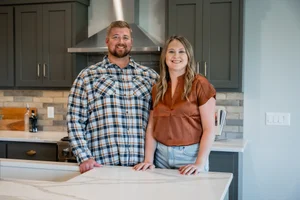
At The Pierce Group, Sarah and Bradley Pierce help Omaha-area sellers understand their options and make informed decisions. If you're preparing to sell in Papillion, contact The Pierce Group at piercegroupne.com to discuss your home and the available market evidence.
Disclaimer
This article is for general informational purposes and is not an appraisal, legal advice, or financial advice. Proper